
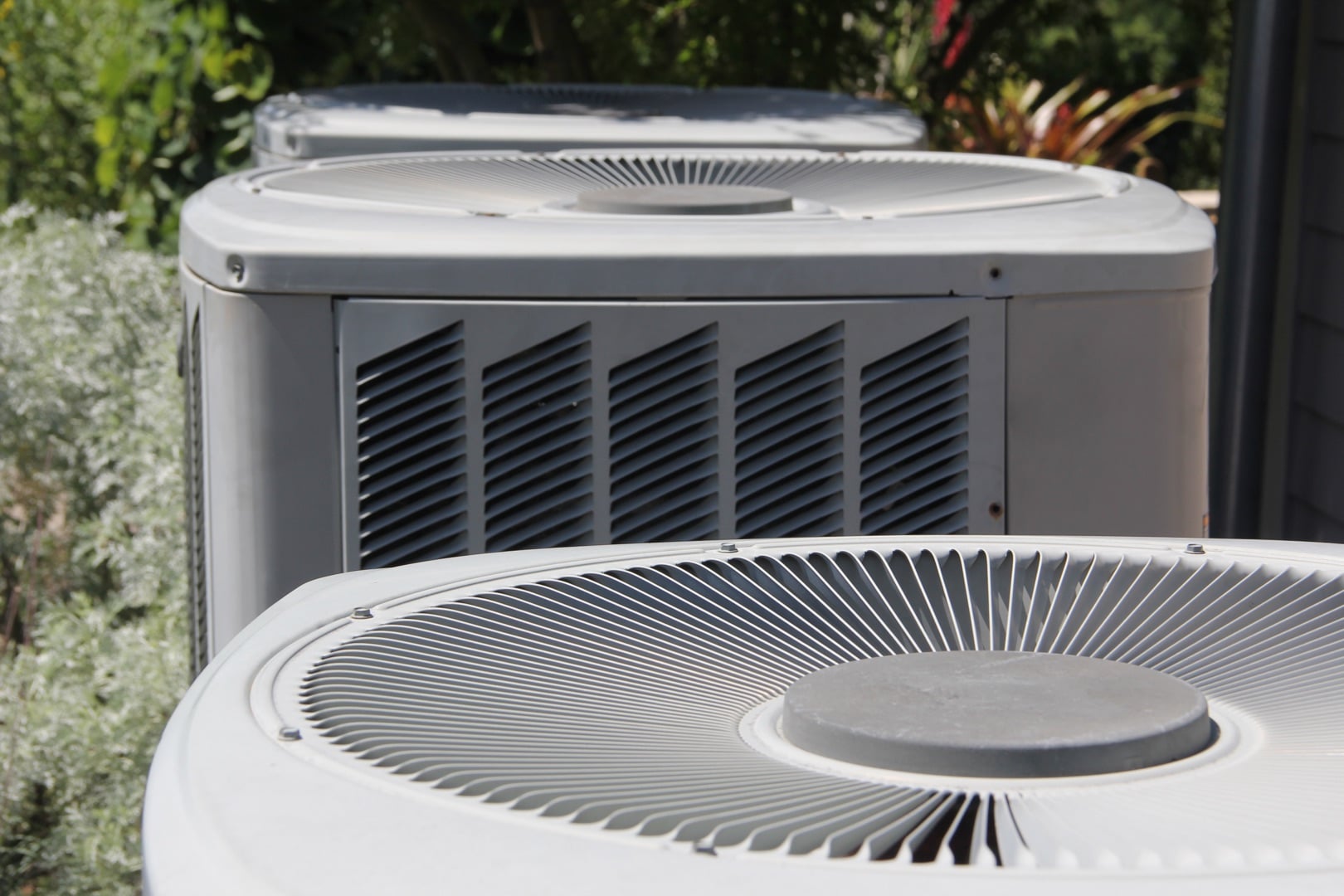
I’m Yan, and if there’s one question I hear constantly doing Air Conditioning Installation Philadelphia work across the Philadelphia suburbs, it’s this: “I have an older brick or stone house — will central air even work here?” The short answer is yes. The longer answer is that it takes the right plan, not just a willing crew with a van full of equipment. Here in Drexel Hill and the surrounding Delaware County communities, we work inside pre-war rowhomes, fieldstone colonials, and solid-brick twins that were built to last — and never built with ductwork in mind.
Why Old Masonry Homes Are a Different Animal
These homes weren’t designed with central HVAC in mind. Thick masonry walls, plaster over brick, narrow stair halls, and sometimes zero attic clearance — every one of those features creates a real routing challenge for supply and return ducts. We’ve also seen homes where a previous contractor “retrofitted” ductwork without a proper load calculation, and the result was exactly what you’d expect: hot upstairs bedrooms, freezing living rooms, and a system that ran nonstop without actually cooling the house. If you’ve ever wondered why your house won’t cool below 78°F on the hottest days, undersized or poorly routed ductwork is almost always the culprit.
Older homes in Drexel Hill — especially along Burmont Road and the streets feeding into Drexel Hill’s classic twin-home blocks — also tend to run higher indoor humidity in summer. That’s not just a comfort issue; it’s a mold and air quality issue. We wrote specifically about HVAC maintenance considerations for older stone homes because the rules genuinely are different here.
Your Two Real Options for Air Conditioning Installation Philadelphia in a Masonry Home
- High-velocity mini-duct systems — These use 2-inch flexible ducts that snake through walls and floors with minimal demolition. They’re genuinely the best solution for fully intact plaster interiors where you want to preserve original trim and ceilings. Cost typically runs higher than conventional duct installs — expect roughly $12,000–$20,000 depending on square footage and complexity — but the interior impact is minimal.
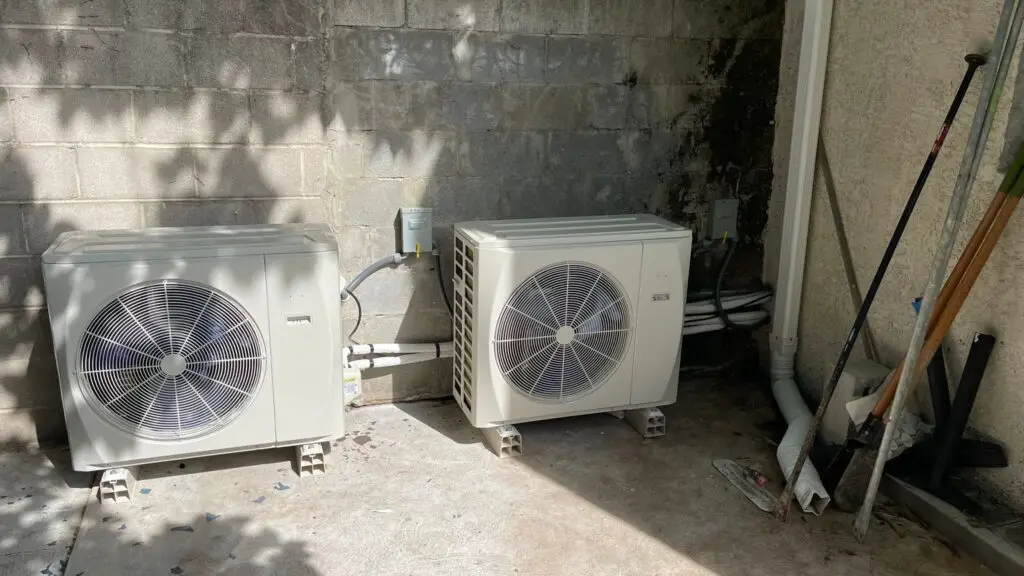
- Ductless mini-split systems — Wall-mounted indoor heads connected to an outdoor compressor with no ductwork at all. This is often the fastest, most cost-effective path for a home where routing ducts is impractical. A basic single-zone install can run $3,500–$6,000; a whole-home multi-zone system typically lands between $10,000–$18,000. If you have a fieldstone home, our page on fieldstone home HVAC challenges gets into exactly why mini-splits often win here.
The best system for your masonry home isn’t always the cheapest one upfront — it’s the one sized and routed correctly for your specific floor plan so it actually works ten years from now.
Homes with uneven layouts — think split-level additions common in Drexel Hill’s 1950s builds — add another layer of complexity. We’ve covered how split-level homes handle HVAC zoning if that sounds like your situation. Humidity control matters just as much as cooling capacity; understanding what indoor humidity should be in summer and how your new system manages it should be part of every retrofit conversation.
What the Installation Process Actually Looks Like
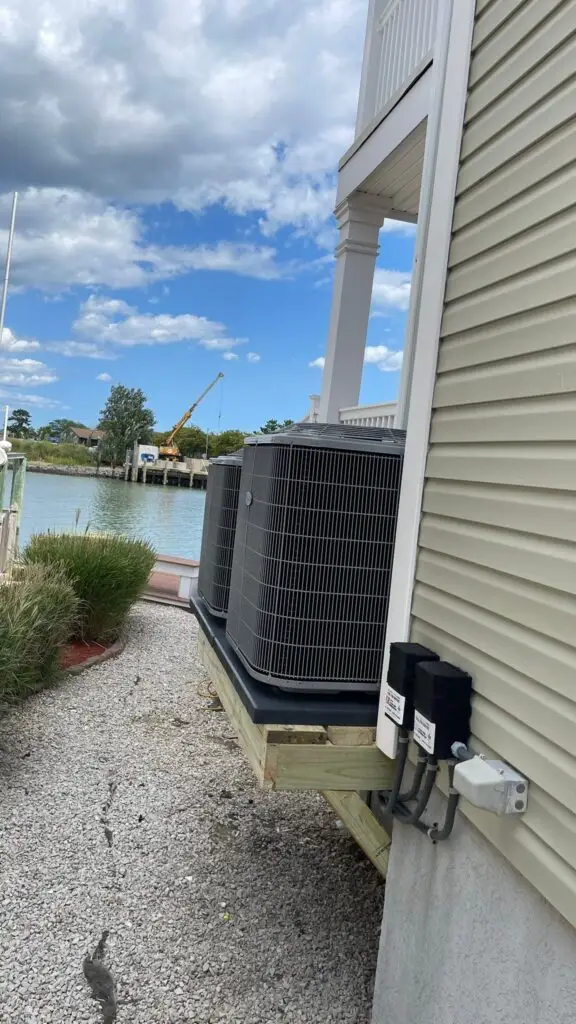
A proper retrofit starts with a Manual J load calculation — not a guess, not “what the last house got.” We assess your insulation, window area, ceiling heights, and orientation before recommending anything. Then we talk through routing options honestly: which walls can be opened, which can’t, where the outdoor unit makes sense given your lot. Permits are pulled — always — because unlicensed work that skips permits can void your equipment warranty and create real liability if you ever sell.
The Energy Star program offers federal tax credits on qualifying high-efficiency systems — worth checking before you commit to equipment. A good Energy Star tax credit guide can save you several hundred dollars on a qualifying install.
If your system is already in place but underperforming, that’s a different conversation — and sometimes the better news. Read through our guide on when to stop repairing and replace your system before spending more money patching something that’s past its useful life.
Whether you’re a longtime homeowner in Drexel Hill who’s finally ready to ditch the window units, or a landlord managing a rental property on one of the surrounding blocks, we’ll give you a straight answer on what your home actually needs — no pressure, no upselling. Call Air Pro HVAC at (215) 240-8466 and let’s talk it through.
Some content on this site is AI-assisted and may not reflect exact current details — please verify with Air Pro HVAC at (215) 240-8466. Learn more.