

I’m Yan, and I’ve been doing HVAC Services Philadelphia long enough to know that the single most common complaint I hear from homeowners in Drexel Hill — especially in those beautiful but finicky older colonials and twins along Burmont Road and around Pilgrim Gardens — is some version of this: “The downstairs is fine, but my bedroom upstairs is an oven.” If that’s you, you’re not imagining it, and your system probably isn’t broken. But it is struggling, and there are real reasons why.
Why Heat Stacks Up on the Second Floor
Heat rises — that’s physics, not a contractor making excuses. Your second floor absorbs heat from the roof above and the living spaces below, all day long. By the time a July afternoon in southeastern Pennsylvania peaks out, your attic can hit 130°F or more, and that heat radiates straight down into your bedrooms. Meanwhile, your system is fighting an uphill battle — literally.
In most homes we service around Drexel Hill, the ductwork was designed decades ago, sized for the house as it was originally built, and never updated. Duct runs to the second floor are usually longer, which means pressure drops and your upstairs registers deliver less airflow than the ones right next to the air handler in the basement. Add a partially blocked return air vent or two, and the imbalance gets worse fast.
A few other culprits worth knowing:
- Undersized or aging equipment — a system that was “just enough” when installed in 1998 is now working against a less-insulated attic, added square footage, or a higher outdoor design temperature.
- Leaky duct connections — conditioned air escaping into unconditioned attic space before it ever reaches your bedroom.
- Blocked or closed return vents — the system can’t circulate air it can’t pull back in.
- Poor attic insulation — a common issue in older Main Line and Delaware County homes that makes any AC work twice as hard.
What HVAC Services Philadelphia Professionals Actually Check

When we come out to a home in Drexel Hill, we don’t just look at the thermostat reading and shrug. We check static pressure in the duct system, measure airflow at every register, and inspect duct runs for leaks or restrictions. If your system is icing up on the refrigerant lines, that’s often a sign airflow is already severely restricted — and it makes the upstairs problem dramatically worse. We also look at the equipment itself: is it the right size for the load, or did someone just swap in the same tonnage without doing the math? Getting the sizing right matters more than most people realize.
“The fix is almost never a new system. It’s almost always about making the existing system work the way it was supposed to.”
— Yan, Air Pro HVAC
Real Solutions — Not Upsells
Depending on what the diagnostic turns up, the path forward usually falls into one of a few categories:
- Duct sealing and balancing — often the highest-value fix, and frequently under $500–$1,200 depending on the extent of the leakage. You feel the difference immediately.
- Adding or repositioning supply registers — sometimes one well-placed duct branch is all it takes to stop fighting the heat upstairs.
- A zoning system — if your home has multiple levels with genuinely different load profiles, a zoned system with independent thermostats can be worth the investment, typically in the $2,500–$5,000+ range installed.
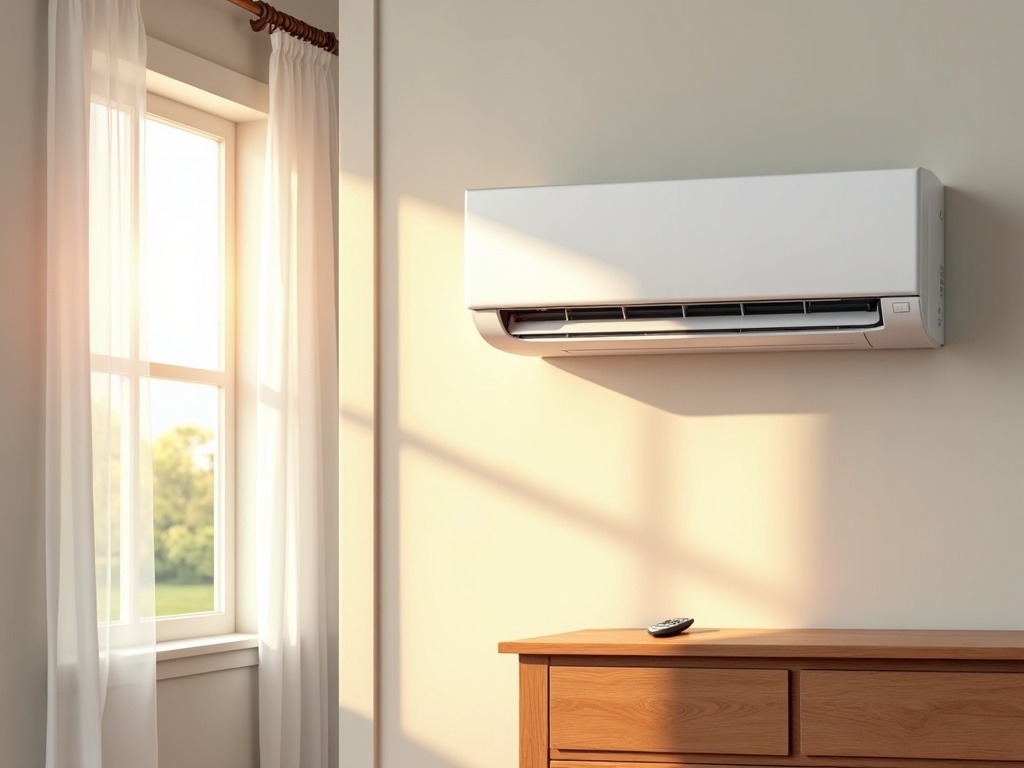
- A ductless mini split for the second floor — in older homes where duct modification isn’t practical, a wall-mounted unit handles the upstairs independently and efficiently. A single mini split can often cover multiple rooms if placed correctly.
We’ll tell you honestly which one fits your situation — not which one has the best margin. That’s what being a family-owned company with 20+ years in these zip codes means in practice: our reputation is right here in the same neighborhoods we’re working in.
It’s also worth knowing that southeastern Pennsylvania’s humidity makes all of this feel worse. When the relative humidity upstairs climbs above 60%, 78°F feels like 85°F. Proper airflow and a well-maintained system keep humidity in check — poor airflow lets it spiral. The U.S. Department of Energy’s guidance on efficient home cooling is a solid reference if you want to dig into the science.
If you’ve already had someone out and they “fixed” it but nothing changed, that’s the story I hear most often. Don’t put another summer through that — and don’t let another contractor guess their way through your home. Call Air Pro HVAC at (215) 240-8466 and let us take a real look. We serve Drexel Hill and the surrounding Drexel Hill area, and we’ll give you a straight answer and a fair quote before any work begins.
Some content on this site is AI-assisted and may not reflect exact current details — please verify with Air Pro HVAC at (215) 240-8466. Learn more.