
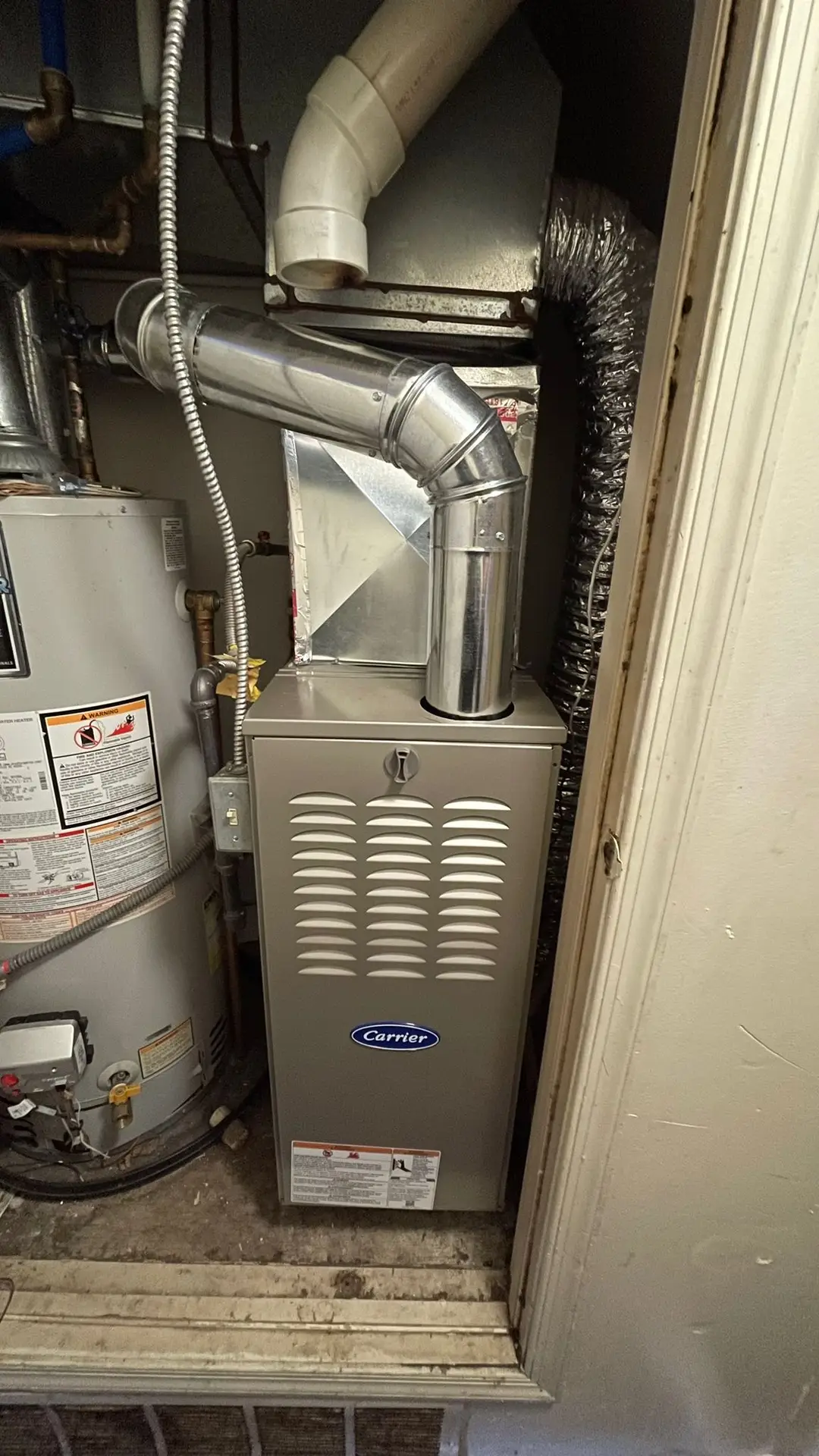
It happens every year. The temperature drops, you flip on the heat for the first time, and within minutes a faint burning smell drifts through the house. If you’re a new homeowner in Drexel Hill — or you’ve been here 20 years and just forgot what this feels like — the question is the same: is this normal, or do I need Furnace Repair Philadelphia Pa right now? Here’s a straight answer.
The Burning Smell That’s Usually Fine
When a furnace sits all summer, dust settles on the heat exchanger, burners, and inside the ductwork. When the heat kicks on, that dust burns off. The smell is real, a little acrid, and completely normal — it should clear within 20 to 30 minutes. If you just replaced your filter, there may be a bit more loose particulate floating around the first cycle. Open a window briefly if it bothers you.
This is the most common scenario we see every November across Drexel Hill and PA. It does not mean your furnace is failing.
When Furnace Repair Philadelphia Pa Is Actually Needed
Not every burning smell is dust. Some are genuinely serious — and knowing the difference matters.
- Smell persists past 30–45 minutes. Dust burns off fast. If it lingers, something else is burning — wiring, a failing blower motor, or debris inside the cabinet.
- Burning plastic or rubber. Shut the system off immediately. This points to electrical components or insulation overheating.
- Rotten egg / sulfur smell. This is natural gas. Leave the house, don’t flip any switches, and call your gas company from outside. Then call us.
- Metallic smell. Often signals a cracked heat exchanger — a direct carbon monoxide risk. Not a wait-and-see situation.
- The smell returns every heat cycle. Something is wrong. Intermittent burning that comes back cycle after cycle has a source — not just seasonal dust.
A cracked heat exchanger has no visible flame and no loud noise — but it can push carbon monoxide into your living space. If the metallic smell is new and persistent, that’s the call you make tonight.
Homes in Drexel Hill and nearby Havertown and Bryn Mawr often have furnaces pushing 15 to 20 years old. At that age, a cracked heat exchanger isn’t rare. If your energy bills have been climbing alongside these symptoms, that’s another signal — we cover why HVAC systems lose efficiency over time in detail. And if your system runs constantly without shutting off, that added stress can also cause overheating and burning smells worth addressing at the same visit.
What to Do Right Now
- Check your carbon monoxide detector. Every home should have one within 10 feet of sleeping areas. If yours is older than 5–7 years, replace it — the U.S. Consumer Product Safety Commission has clear guidance on placement and replacement schedules.
- Swap your filter if it’s been more than 90 days. A clogged filter causes the furnace to overheat and can create legitimate burning smells from system strain.
- Note exactly what the smell is like. Dusty vs. plastic vs. rotten egg — that description helps us diagnose fast when we arrive.
- If it’s anything other than dust, turn the system off. One cold night beats a carbon monoxide event every time.
If you just moved into a home in Drexel Hill and aren’t sure when the furnace was last serviced, that uncertainty alone is worth a call. We wrote specifically for people in that situation about what to check on your HVAC after buying a house — worth five minutes before winter settles in.
A diagnostic visit for a heating concern in Drexel Hill typically runs $80–$150 depending on what’s involved. Most standard furnace repairs — igniter replacement, flame sensor cleaning, pressure switch — fall in the $150–$400 range. A heat exchanger replacement is more significant, often $500–$1,500 or a conversation about full replacement depending on the furnace’s age. We’ll tell you exactly what we find before any work begins. No surprises.
When you call Air Pro HVAC at (215) 240-8466, you’re talking to someone who knows Drexel Hill homes, knows the local climate, and won’t sell you something you don’t need. That’s the only way we’ve stayed in these neighborhoods this long.
Some content on this site is AI-assisted and may not reflect exact current details — please verify with Air Pro HVAC at (215) 240-8466. Learn more.