
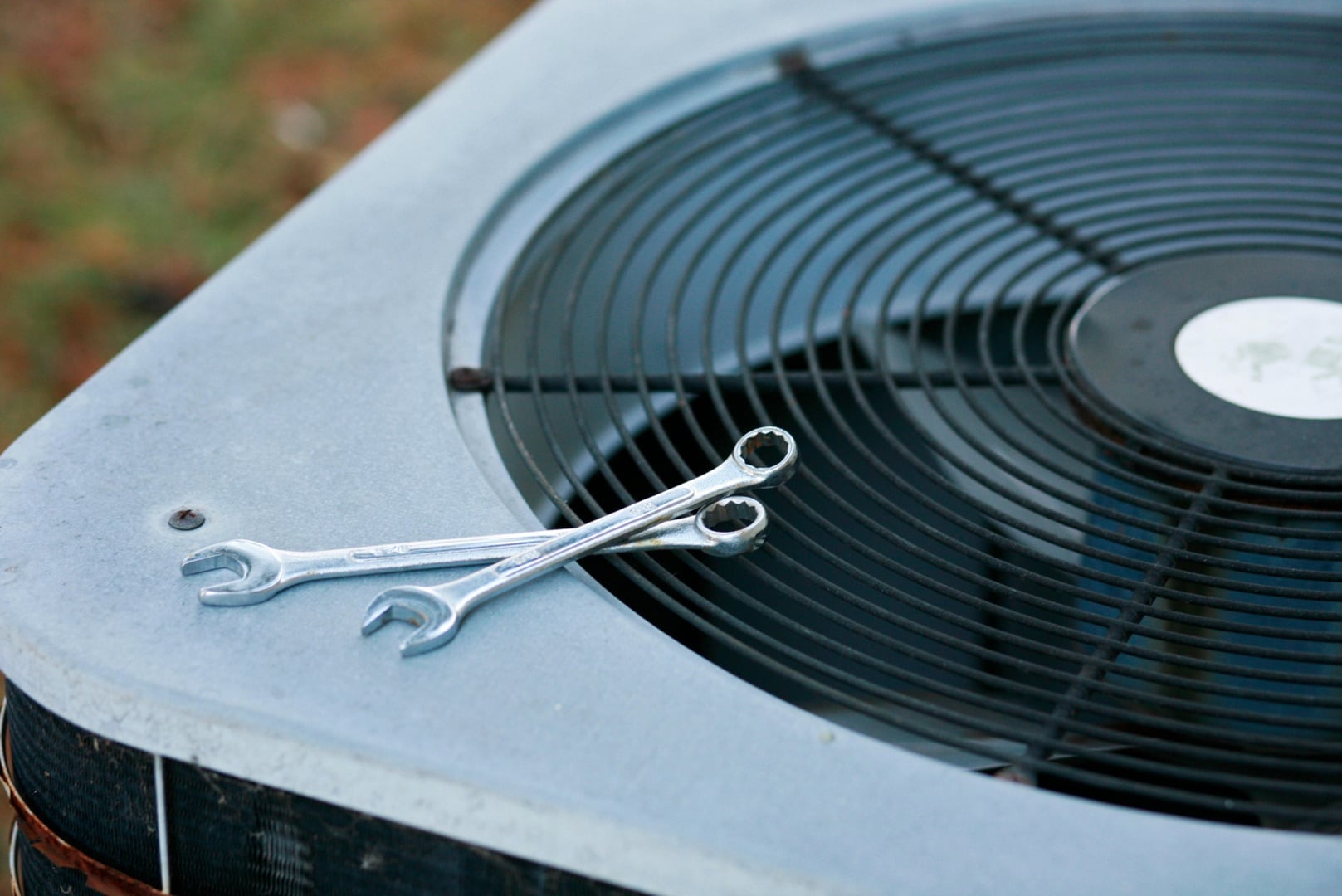
I’m Yan, and after two decades as an HVAC Installer in the Philadelphia suburbs, crawlspace air handlers are one of the things I see go wrong most often — especially in Drexel Hill. The older split-levels and cape cods along Burmont Road and around Drexel Hill Memorial Park were built in an era when nobody thought twice about tucking the air handler under the house. It made sense at the time. In southeastern Pennsylvania’s summers, though, that decision catches up with a lot of homeowners.
Why Crawlspace Installs Become a Problem Here
Delaware County crawlspaces are humid. That’s just a fact. The clay-heavy soil, the older foundation walls, the proximity to Darby Creek — all of it drives ground moisture up into unvented or poorly vented crawlspaces. When your air handler lives down there, it’s pulling that damp air across the coil and distributing it through your living space. That’s how you end up with a house that feels clammy even when the thermostat says 72°F.
Mold growth on the coil and in the ductwork is the next problem. If you’ve ever noticed a musty smell when the system kicks on, that’s usually what you’re smelling. It’s not just unpleasant — it’s a real air quality concern, especially if anyone in the house has asthma or allergies. Our guide on why your AC cools fast but the house still feels humid goes deeper on this if you want to understand the humidity side of things.
The Signs It’s Time to Relocate the Unit
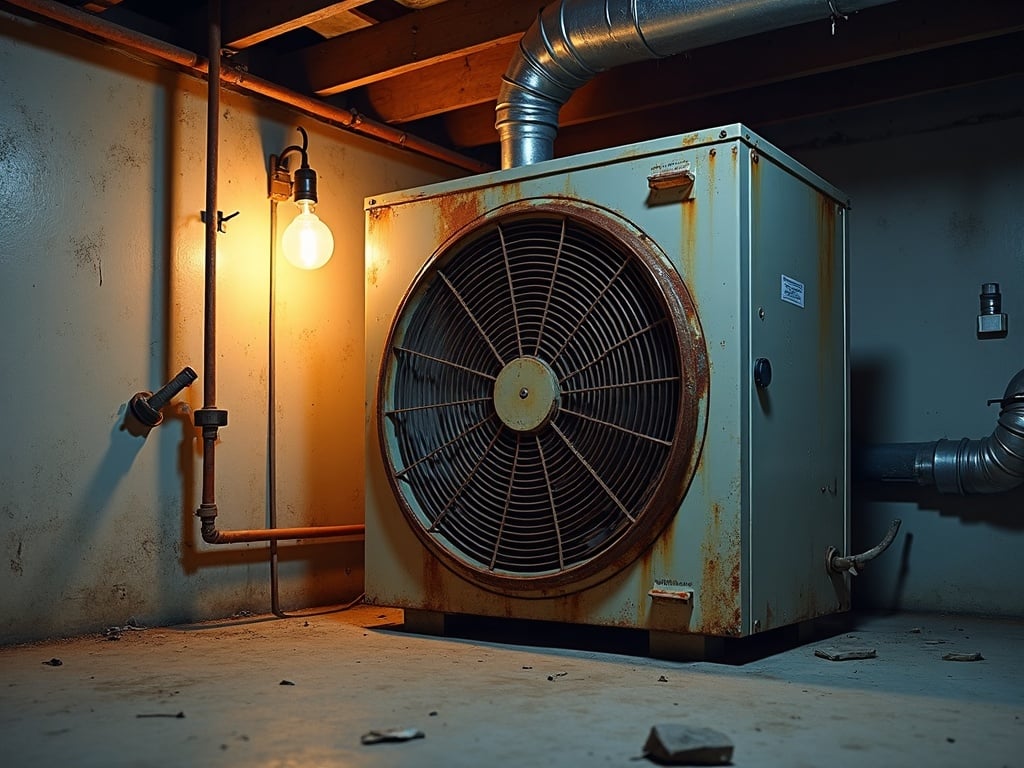
- Standing water or persistent dampness in the crawlspace — even seasonally
- Musty odor from supply registers that gets worse in summer
- Visible rust or corrosion on the air handler cabinet or coil
- Frequent short-cycling or refrigerant issues that keep recurring after repairs
- Ductwork connections that keep separating or showing moisture damage
- Pest intrusion — mice and insects love a warm, tucked-away air handler
If you’re checking two or more of these boxes, a relocation conversation is worth having before the next system replacement. Doing it at replacement time is significantly less expensive than scheduling it as a separate project.
Moving the air handler at replacement time costs far less than a standalone relocation job — and it protects every dollar you just spent on the new equipment.
Where Does the Unit Go Instead?
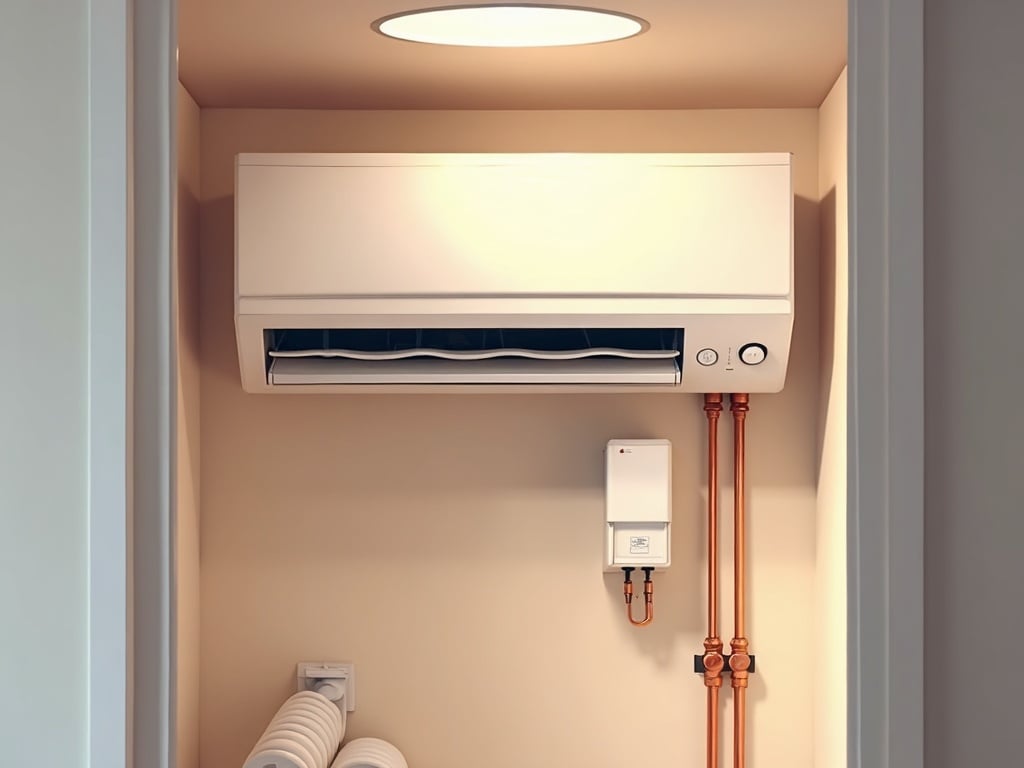
For most Drexel Hill homes, the realistic options are a utility closet on the main floor, the basement (if it’s conditioned or can be), or the attic. Each has trade-offs. Attic installs in PA summers mean the unit is working in 130°F+ heat, which shortens equipment life and hurts efficiency. A well-insulated interior closet or a conditioned basement is usually the best landing spot — cooler, drier, and easier to service.
Homes without existing ductwork have another option entirely. High-velocity AC systems were practically designed for the older housing stock in communities like Drexel Hill, Bryn Mawr, and Ardmore — small-diameter tubing runs through walls without major demolition, and the air handler can be placed in a conditioned space from the start.
Whatever the relocation target, a proper Manual J load calculation should inform the new placement and duct layout. Skip that step and you may move the problem without solving it — shorter equipment life, uneven temperatures, humidity that never quite settles down.
What This Typically Costs — and What to Expect
Crawlspace-to-interior relocation bundled with a full system replacement generally runs in the range of a few hundred to around a thousand dollars more than a straight swap, depending on how much ductwork needs to be rerouted and how accessible the new location is. Done as a standalone project on an existing system, the cost is higher — sometimes significantly — because the labor is all overhead with no equipment sale to offset it.
Permits are required in most Delaware County municipalities for this kind of work. Any hvac contractor worth hiring will pull them automatically. If you get a quote from someone who doesn’t mention permitting, that’s a flag — here’s why that matters.
At Air Pro HVAC, we’ve been doing this work in Drexel Hill and across Drexel Hill for over 20 years. We’re not going to tell you that you need a relocation if you don’t — but if you do, we’ll show you exactly why and walk through the options with you before anything gets scheduled. Call us at (215) 240-8466 and let’s take a look together.
Some content on this site is AI-assisted and may not reflect exact current details — please verify with Air Pro HVAC at (215) 240-8466. Learn more.