
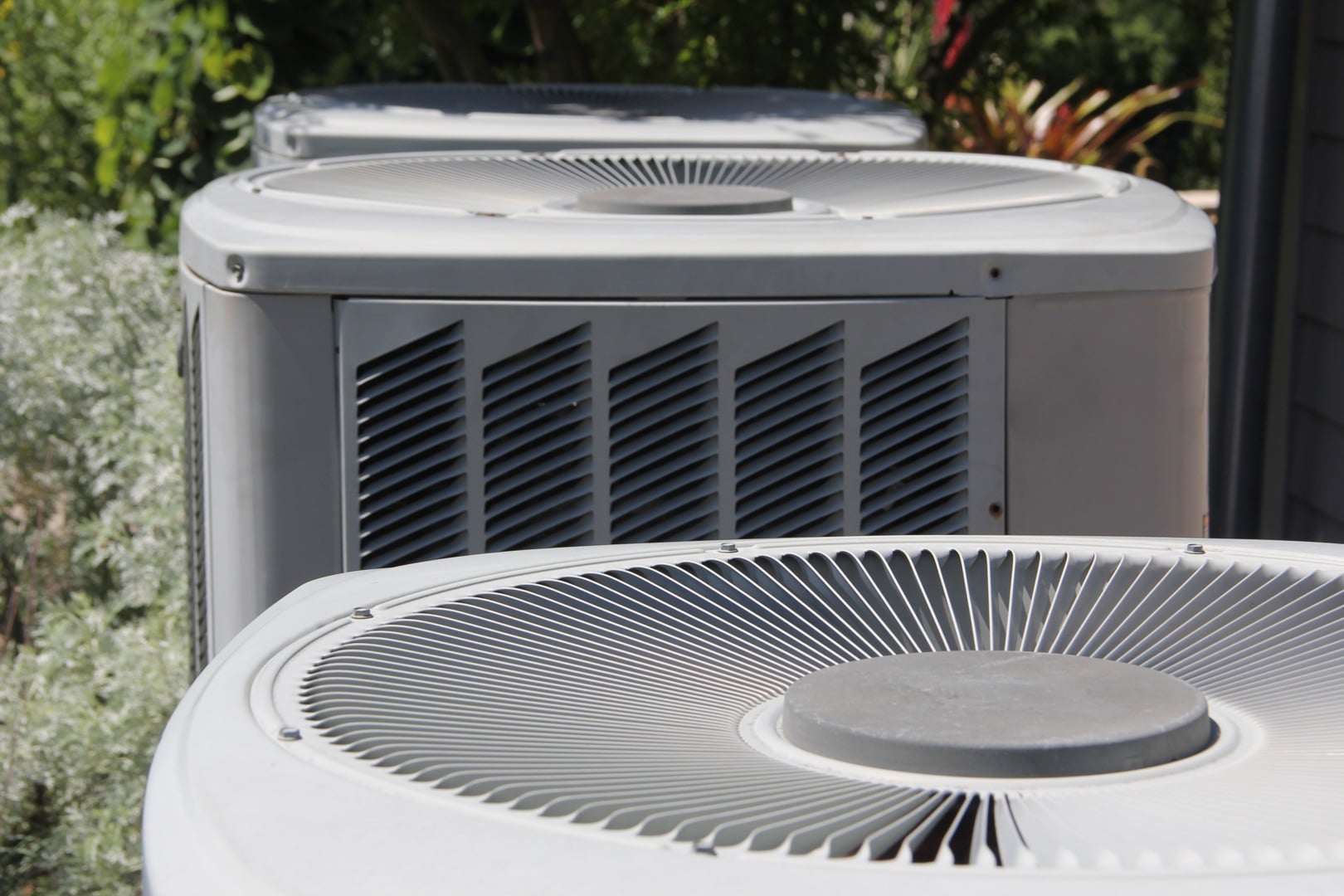
This question comes up more than you’d think — especially in Drexel Hill, where older homes were built long before anyone thought carefully about where to place a condenser. If your HVAC Installer ever flagged that your outdoor unit is poorly sited, or you’ve noticed it baking against a south-facing wall all summer, take it seriously. A badly placed condenser works harder, breaks sooner, and costs you more every single month.
Why Location Matters for Your Condenser
Your outdoor unit sheds heat — that’s its entire job. When it’s crammed into a tight corner, buried in overgrown shrubs, or sitting where dryer exhaust blows directly on it, efficiency tanks. In PA, summer humidity is already brutal. Add restricted airflow and direct afternoon sun, and your system fights uphill from June through September.
Common placement problems we see around Drexel Hill and nearby communities:
- Unit against a south or west wall with no shade and no airflow buffer
- Condenser surrounded by fencing or dense landscaping on three sides
- Location directly under a deck with zero clearance above
- Unit sitting in a low spot that floods after rain
- Placement creating HOA violations or neighbor noise complaints
If your system is running constantly but still not cooling the house properly, a bad condenser location could be contributing — rule that out before spending money on refrigerant or repairs.
When Relocating Is the Right Call
Not every bad placement warrants a full move. Sometimes trimming shrubs or adding a shade structure is enough. But there are situations where moving the unit genuinely makes sense:
- You’re replacing an aging system anyway — moving it during a new install costs far less than doing it as a standalone job later
- The current spot floods or stays wet, causing corrosion and voiding warranties
- Noise is disturbing a bedroom or outdoor living space
- Airflow is restricted and can’t be fixed by clearing vegetation alone
- A renovation changes the home’s layout or adds square footage
The best time to relocate a condenser is during a system replacement — you’re already paying for install labor, and the line set work is a fraction of what a standalone job costs.
What a HVAC Installer Does — and What It Costs
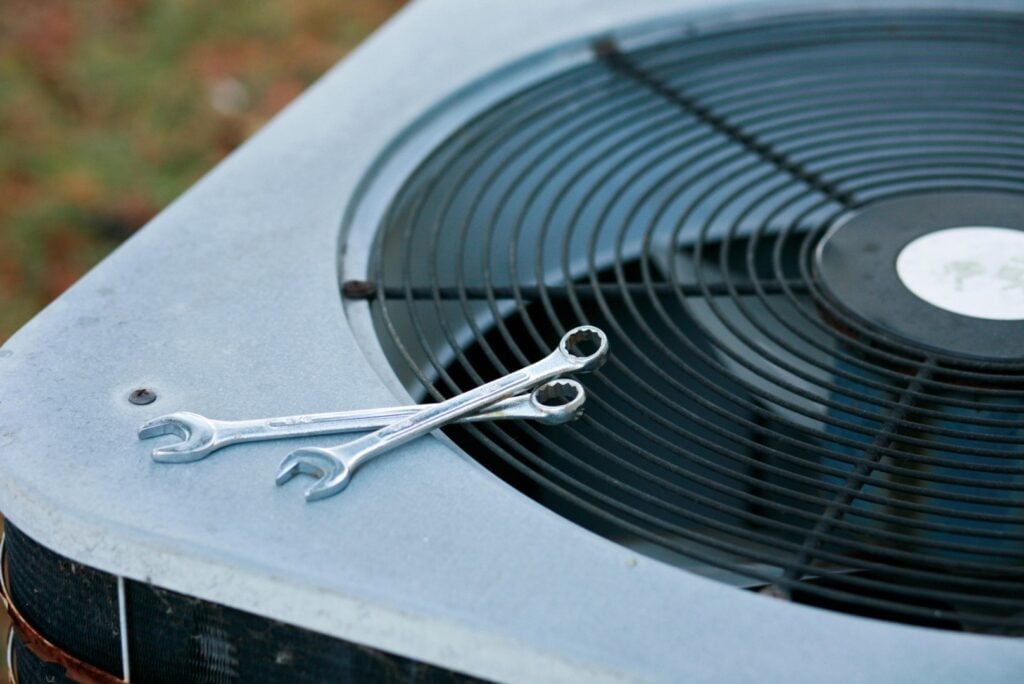
Relocating a condenser isn’t a DIY project. A licensed technician must recover the refrigerant before moving anything — federal law, not a suggestion. Then the copper line set either gets extended or replaced, electrical work follows, and a new concrete pad is usually needed.
For a typical home in Drexel Hill, a standalone condenser relocation runs roughly $800–$2,500 depending on distance, whether the line set can be reused, and what electrical work is involved. Done as part of a full system replacement, you might add $300–$700 to the project — a much smarter use of money. See what to expect during a professional HVAC installation so nothing catches you off guard.
Always get it permitted. Unpermitted HVAC work creates headaches at resale and can void manufacturer warranties. Any reputable residential HVAC service company will pull the permit for you. If a contractor skips that step without explanation, that’s a red flag.
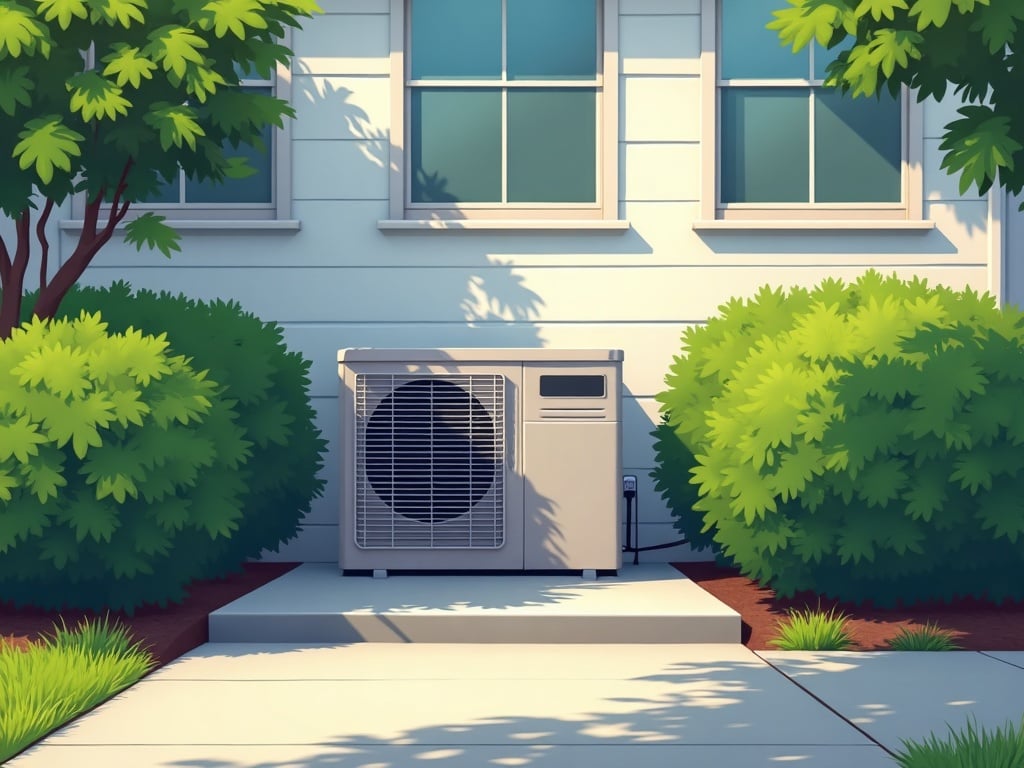
The U.S. Department of Energy recommends placing condenser units in shaded areas with at least two feet of clearance on all sides — their guidance on central air conditioning explains the technical reasoning behind proper placement.
How We Handle It at Air Pro HVAC
When we assess a relocation, we look at sun exposure through the day, clearance on all sides, proximity to bedrooms, drainage, and whether the existing line set is worth keeping. We’re not going to tell you to move a unit if trimming a hedge solves the problem. But if a move genuinely makes sense, we’ll walk you through exactly what’s involved and give you a straight number before any work starts.
If your system is also struggling and you’re not sure why, our guide on why your central AC is blowing warm air on a 90-degree day covers the most common culprits.
Ready to stop guessing? Call Air Pro HVAC at (215) 240-8466 and we’ll come assess your unit, tell you exactly what we’d recommend, and give you a clear price — no pressure, no upsell.
Some content on this site is AI-assisted and may not reflect exact current details — please verify with Air Pro HVAC at (215) 240-8466. Learn more.