
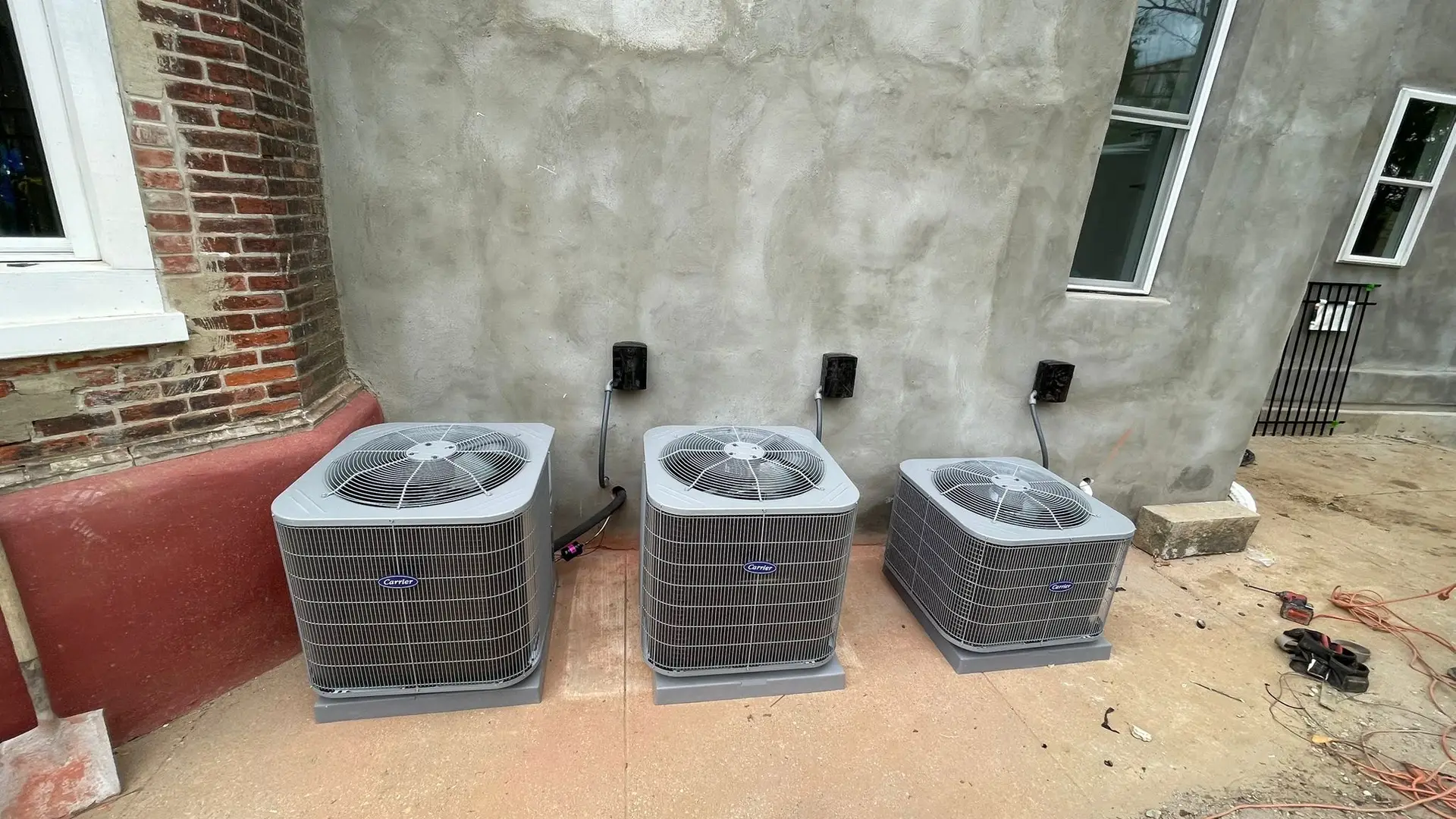
If you own an older rowhouse or colonial near Burmont Road in Drexel Hill, you already know the problem: beautiful original plaster walls, narrow hallways, and absolutely nowhere to run conventional ductwork. That’s exactly why Central Air Installation Philadelphia in homes like yours has shifted toward high-velocity mini-duct systems — and once homeowners see how it works, most wish they’d done it years sooner.
What Makes High-Velocity AC Different?
A standard central air system needs large sheet-metal ducts — typically 12 to 16 inches wide — routed through walls, ceilings, or a dedicated chase. In a 1940s twin on the 2600 block of Burmont, or a narrow cape cod off Garrett Road, that simply isn’t happening without gutting rooms. High-velocity systems solve this with flexible 2-inch tubing that snakes through existing wall cavities, closets, and attic spaces without major demolition.
The air moves faster and exits through small, unobtrusive outlets — roughly the size of a hockey puck. That velocity creates a mixing effect that feels noticeably even throughout the room, without the cold-blast draft you get from a big traditional register. For Main Line homes in Bryn Mawr or Ardmore where preserving original millwork matters, this is a genuine advantage.
Is Central Air Installation Philadelphia with High-Velocity Right for Your Home?
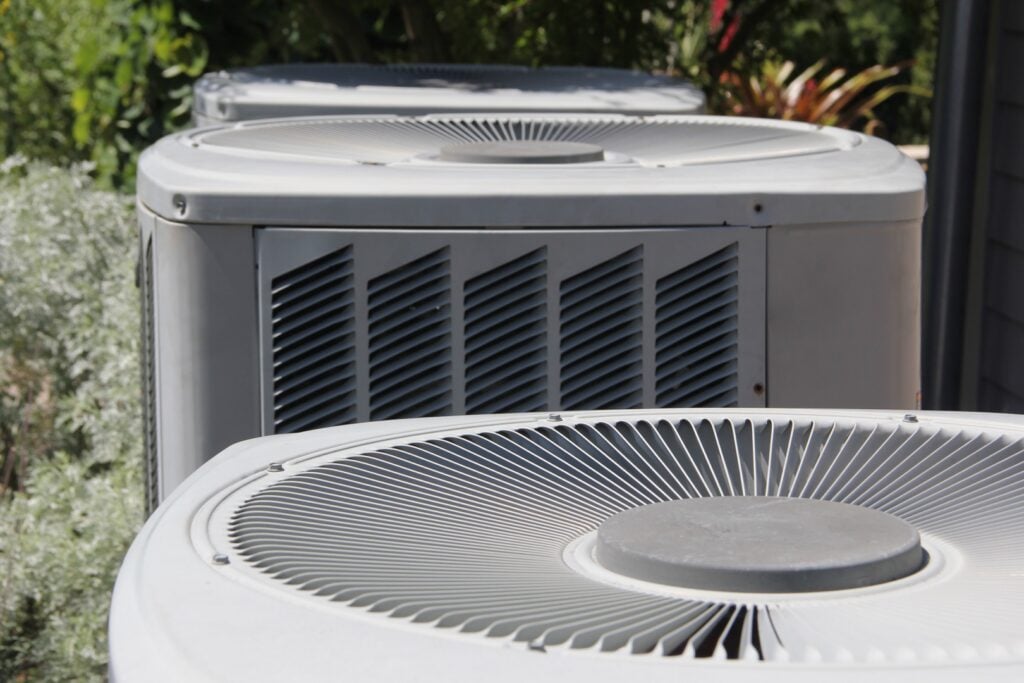
Not every house is the same candidate. Here’s a quick read on who benefits most:
- Pre-1960 homes with plaster walls — high-velocity tubing threads through existing cavities with minimal damage.
- Multi-story twins and rowhomes — the flexible supply lines handle tight vertical runs that rigid duct simply can’t.
- Landlords and property managers — a permanent, reliable cooling solution stops the revolving door of window-unit complaints from tenants.
- Homeowners with allergy or asthma concerns — because air moves at higher speed through a properly filtered system, it cycles more frequently and can pair well with upgraded filtration. (If that’s your situation, read our guidance on HVAC and asthma symptoms before you decide.)
High-velocity systems also dehumidify up to 30% better than conventional equipment — a serious benefit in southeastern Pennsylvania’s sticky summers.
That dehumidification advantage matters in Drexel Hill and across Delaware County, where July humidity can make a 78°F house feel like 85°F. If your current setup cools fast but leaves the air feeling clammy, that’s the humidity, not the thermostat — and a high-velocity install addresses it directly. We cover this pattern in depth if your AC cools quickly but the house still feels humid.
What Does It Actually Cost?
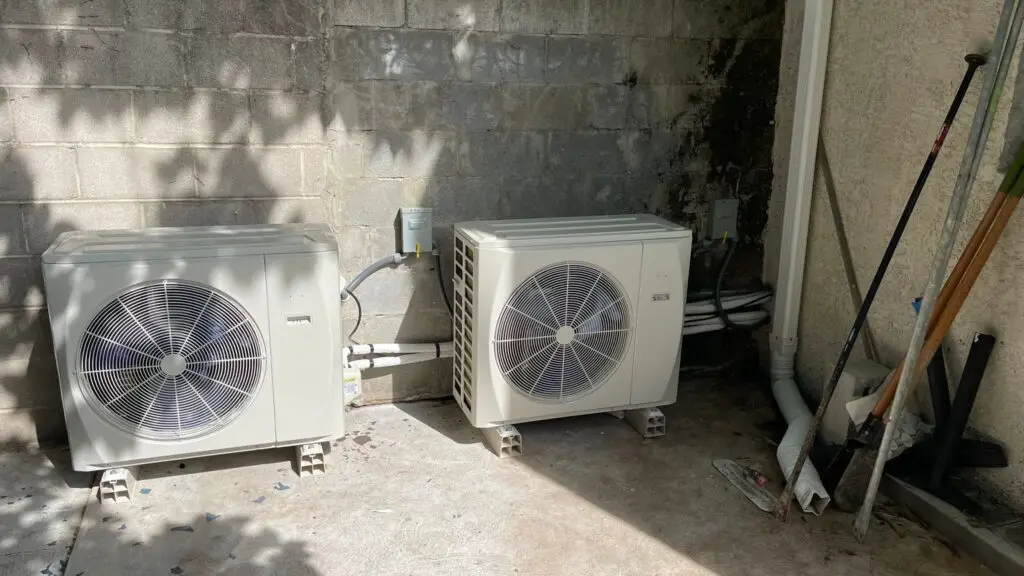
Honest answer: more than a standard central air install in a home that already has ductwork. For a typical 1,400–1,800 sq ft older home in Drexel Hill or Ardmore, budget roughly $8,000–$14,000 installed, depending on the number of outlets needed, attic access, and whether the air handler goes in a utility closet or basement. Homes in West Chester or Malvern with more square footage or complicated layouts can run higher.
Compare that to what it costs to do nothing — another summer of window units drawing high electricity, a tenant threatening to break a lease, or a child’s asthma flaring every August — and the math usually looks different. The U.S. Department of Energy’s guidance on central air conditioning is worth a read if you want independent context on efficiency ratings before you commit.
One thing we always do before quoting: a proper load calculation. A Manual J calculation tells us exactly what your specific home needs — not a guess based on square footage alone. Any hvac installer who skips that step and quotes you on the spot is doing you a disservice. We’ve seen oversized systems that short-cycle and leave humidity problems behind, and undersized ones that run constantly and still can’t keep up on a 95°F Philadelphia July afternoon.
Also worth knowing: permits are typically required for this scope of work in Delaware County municipalities. If a contractor tells you otherwise, that’s a red flag. We handle permitting as part of every job — learn more about what permit requirements actually mean for your installation.
Why Homeowners in Drexel Hill Call Us
We’re a family-owned team, and we’ve been working in these specific neighborhoods — Drexel Hill, Ardmore, Media, Villanova, Chester, Bala Cynwyd — for over 20 years. We know the housing stock. We know which basements flood and which attics are too tight for a full air handler. We show up when we say we will, we explain exactly what we’re doing and why, and we’re still accountable next summer because we live and work in the same zip codes as our customers.
If you’re tired of sweating through another Philadelphia summer in a house that was never built for modern AC, let’s talk. Call Air Pro HVAC at (215) 240-8466 — we’ll walk your home, run the numbers honestly, and tell you straight whether high-velocity is the right fit or whether there’s a better path for your situation.
Some content on this site is AI-assisted and may not reflect exact current details — please verify with Air Pro HVAC at (215) 240-8466. Learn more.