
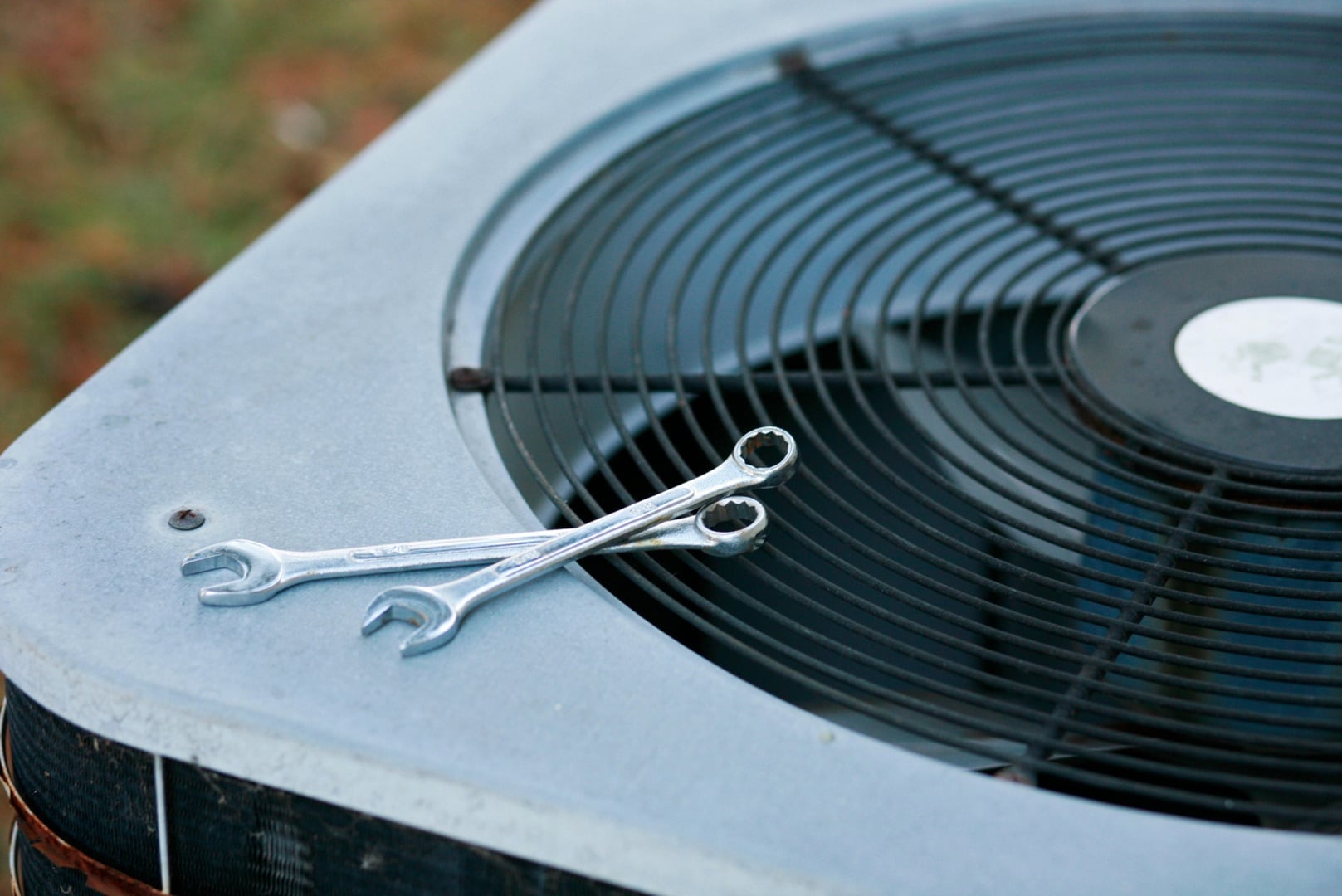
I’m Yan, and I’ve been diagnosing AC problems across Drexel Hill and the surrounding Delaware County communities for over two decades. If your air conditioner has started making a buzzing or humming sound you’ve never heard before, here’s what I tell every homeowner: don’t ignore it. That sound is your system talking, and HVAC Repair Philadelphia calls like this are almost always cheaper to fix early than after a full breakdown. Let me break down exactly what’s going on.
What That Buzzing or Humming Is Actually Telling You
A low, steady hum during normal operation is fine — that’s just the compressor doing its job. The sounds that should make you stop and pay attention are loud, sudden, or new ones. Here in Drexel Hill, the older housing stock — a lot of it built in the 1950s through 1970s — means aging electrical components and equipment that’s been running hard through our humid southeastern Pennsylvania summers. Both factors make these issues more common than homeowners expect.
Common causes of AC buzzing
- Electrical issues — a failing contactor, loose wiring, or a struggling capacitor will produce a distinct buzz from the outdoor unit. This is the most frequent culprit we find on service calls in Drexel Hill and nearby Drexel Hill neighborhoods off Garrett Road and State Road.
- Failing capacitor — capacitors help start and run the compressor and fan motors. When they weaken, they buzz and eventually cause the motors to fail entirely. Repair cost for a capacitor typically runs $150–$350 depending on the unit.
- Refrigerant leak — a hissing-buzz combination often signals refrigerant escaping under pressure. This affects cooling performance and, left alone, damages the compressor. If your system can’t cool below 78 degrees on hot days, a refrigerant issue may already be compounding the problem.
- Loose components or debris — fan blades that have shifted, loose panels, or debris caught inside the outdoor unit create a buzz or rattle under load. Related: check our guide on what to do when your outdoor AC unit starts rattling.
- Bad contactor — the contactor is an electrical relay that switches the compressor and condenser fan on. When it starts to fail, it buzzes loudly and can arc, which is a genuine electrical hazard.
A buzzing AC that still cools is a warning. A buzzing AC that’s stopped cooling is an emergency. Don’t wait for the second stage.
Is It a Safety Issue? When to Act Fast
Honestly — sometimes, yes. Electrical buzzing from the outdoor unit or the air handler can indicate arcing wiring or a contactor that’s on its way to failing completely. If you smell burning plastic or see the circuit breaker tripping alongside the buzz, shut the system off at the breaker and call us. The EPA’s indoor air quality guidance makes clear that compromised HVAC components can create both safety and air quality risks — something landlords and property managers overseeing older rental units in Drexel Hill and Chester should especially keep in mind.
If the buzzing is accompanied by the compressor struggling to start — you’ll hear it try and fail — that’s likely a bad capacitor or a compressor that’s beginning to seize. We cover how to tell if your AC compressor is going bad in detail if you want to check the other signs before you call.
What to Do Right Now
- Listen carefully — is the sound coming from the outdoor condenser, the indoor air handler, or the vents? Location tells us a lot.
- Check whether the system is still cooling. If it’s blowing warm air on top of the buzzing, shut it off to avoid compressor damage.
- Look at the outdoor unit for obvious debris — a stick or leaf caught in the fan guard is an easy fix. Don’t reach inside the unit.
- Check your breaker panel. A repeatedly tripped breaker is a sign to leave the system off until a technician looks at it.
- Call Air Pro HVAC at (215) 240-8466. We serve Drexel Hill, Ardmore, King of Prussia, Media, West Chester, Bryn Mawr, and all of Drexel Hill and PA — and we’ll give you a straight answer, not a sales pitch.
If you’re staring down a system that’s more repair than it’s worth, it’s also worth reading the 3 signs it’s time to stop repairing and replace your HVAC system before committing to another fix. And if this becomes a true emergency, our emergency AC repair guide walks you through exactly what to do when the system quits on the hottest night of the year.
Some content on this site is AI-assisted and may not reflect exact current details — please verify with Air Pro HVAC at (215) 240-8466. Learn more.