

Humidity doesn’t make noise, but it makes itself known.
You feel it on your skin, in your hair, in the way your house seems to hold onto warmth long after the thermostat says it shouldn’t.
That heaviness in the air? That’s trapped moisture — and it’s quietly wrecking your comfort, your efficiency, and maybe even your health.
At Air Pro HVAC, we spend all summer helping homeowners in Philadelphia, PA chase the same problem: a home that feels warmer than it should, even though the temperature looks perfect.
The truth? Comfort isn’t just about temperature. It’s about balance — and humidity is the missing piece.
Why Your Home Feels Sticky (Even When It’s Cool)
Most air conditioners are designed to do two things at once: cool the air and remove moisture.
But when parts of the system get dirty or out of sync — especially the evaporator coil or refrigerant charge — it can’t condense humidity properly.
So your thermostat might read 72°, but it feels closer to 80°.
The air is saturated, and your body can’t cool itself efficiently.
You sweat, the system runs longer, and your energy bill quietly climbs.
A professional how to reduce humidity in house brings the balance back.
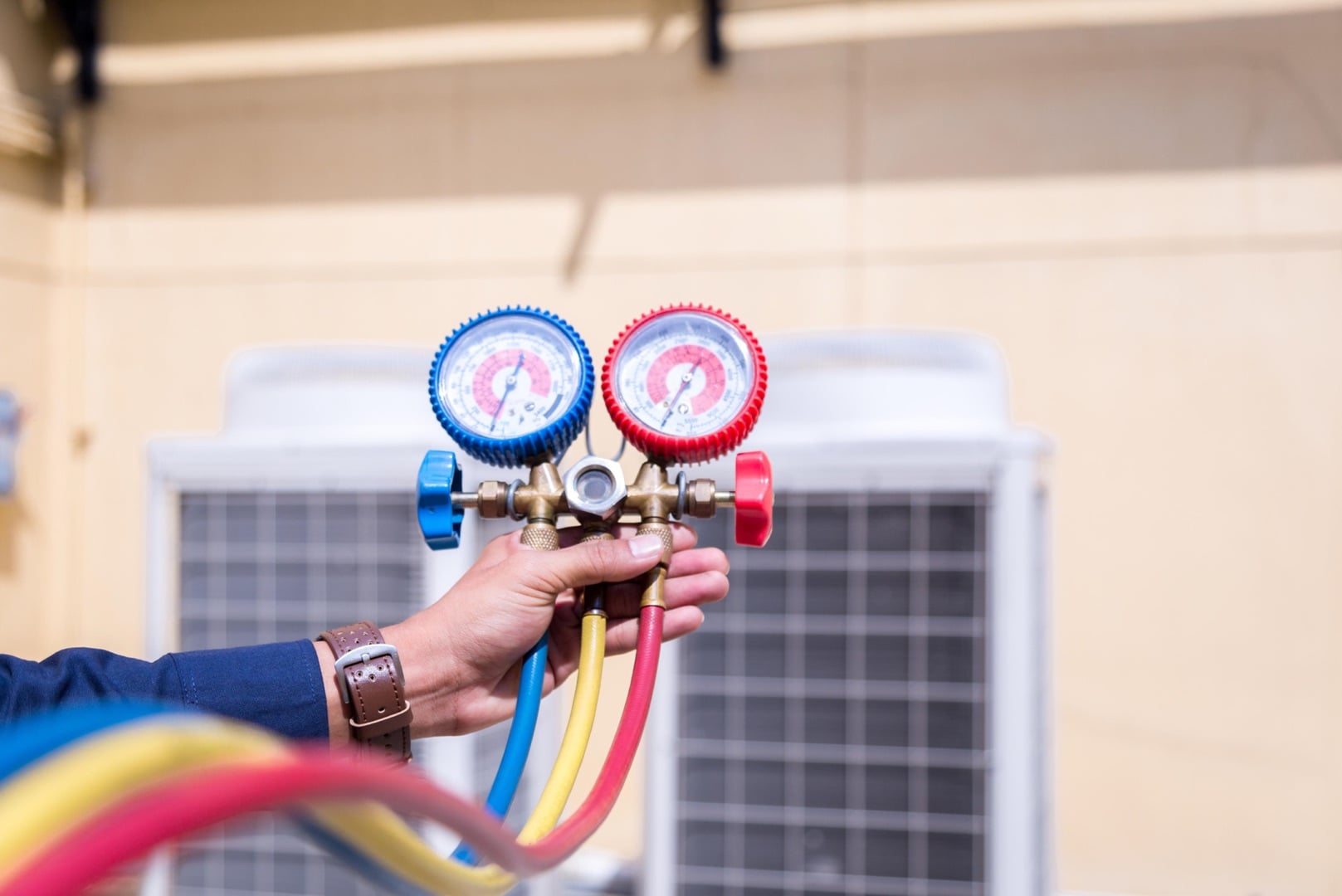
By cleaning coils, recalibrating fan speeds, and verifying refrigerant levels, we restore your HVAC system’s ability to dehumidify — not just cool.
Humidity Is More Than a Comfort Issue
Most people think of humidity as a “feel” problem.
In reality, it’s a structural and health problem, too.
Excess indoor moisture can:
- Warp wood flooring and trim
- Encourage mold and mildew growth
- Make paint and drywall peel
- Damage electronics and furniture
- Aggravate asthma and allergies
That’s why every comprehensive how to reduce humidity in house from Air Pro HVAC includes moisture evaluation.
If your home feels sticky, it’s not just uncomfortable — it’s a warning sign.
The AC-Humidity Relationship: A Delicate Dance
When your HVAC system’s airflow is too high, it moves air so quickly that moisture doesn’t have time to condense on the coil.
When it’s too low, the coil can freeze over, blocking air completely.
In both cases, humidity control goes out the window.
That’s where our diagnostic work during a how to reduce humidity in house matters most.
We measure airflow rates, temperature differentials, and static pressure to find the exact balance for your system.
Because comfort isn’t about blasting cold air — it’s about maintaining steady, breathable air.
How to Tell If Humidity’s Winning
You don’t need a hygrometer to know when your home’s air is out of balance.
Here are the signs our technicians tell homeowners to look for:
- Your AC runs constantly but never feels cool enough
- Windows collect condensation
- Air feels thick or “wet”
- Furniture or floors feel damp to the touch
- Musty odors around vents or closets
- You wake up sticky or congested
If any of those sound familiar, your system’s dehumidification process isn’t keeping up — and that’s exactly what a proper how to reduce humidity in house can fix.
The Quick DIY Wins
Before you call in the pros, there are a few simple steps that can help stabilize humidity:
- Change your air filter. A clogged filter restricts airflow and limits your system’s ability to remove moisture.
- Check your fan setting. Set it to “auto,” not “on.” Running the fan continuously can re-evaporate condensed water back into your air.
- Use your exhaust fans. Bathrooms, kitchens, and laundry rooms release gallons of water vapor daily. Vent it out.
- Seal your ductwork. Leaky ducts pull humid air from attics or crawl spaces.
- Keep windows closed on humid days. “Fresh air” can be your system’s worst enemy in the middle of July.
These are easy fixes — but if your air still feels sticky afterward, it’s time for a system check.
What We Do During a Humidity-Focused Tune-Up
A well-timed how to reduce humidity in house can transform the way your home feels.
Here’s what our team checks when humidity’s the main complaint:
- Coil cleanliness and temperature drop
- Drain line flow and trap condition
- Refrigerant charge precision
- Airflow calibration and fan speed setting
- Thermostat programming and dehumidification mode
- Optional whole-home dehumidifier integration
Each system’s different, but the goal is always the same: balance.
When air is balanced, comfort becomes effortless.
The Energy Bill Connection
Every degree of humidity your system doesn’t remove adds up to extra runtime.
More runtime = more electricity.
In homes across Philadelphia, PA, we’ve seen 15–25% bill reductions after a proper cleaning and calibration — no replacements, no new equipment, just better performance.
Humidity makes your AC work harder than it should.
Tuning it properly lets it work smarter.
Smart Homes and Smarter Air
Modern thermostats can now manage both temperature and humidity — but only if your system is properly maintained.
We integrate smart sensors during many of our how to reduce humidity in house appointments, teaching homeowners how to automate comfort.
For example:
- The thermostat can slow fan speed automatically on humid days.
- It can activate dehumidification mode when relative humidity exceeds 60%.
- It can send you an alert if your system’s runtime spikes — a sign of imbalance.
That’s what smart comfort looks like: simple automation built on solid maintenance.
The Indoor Air Quality Connection
Humidity doesn’t just affect comfort; it affects health.
Too much moisture supports bacteria, mold, and dust mites.
Too little dries out your sinuses and irritates skin.
Balanced humidity — ideally between 40% and 55% — is the sweet spot.
It keeps your air cleaner, your lungs happier, and your furniture intact.
It’s part of what makes a well-maintained system feel “different” the second you walk inside.
“When the air feels clean and light, you just breathe better,” says one of our comfort specialists. “That’s what good maintenance actually feels like.”
The Hidden Culprit: Drainage
We see it every week — homes with brand-new air conditioners and poor drainage.
When your system can’t remove condensation properly, it recycles moisture right back into the air.
Standing water in drain pans can even grow mold that spreads through ductwork.
That’s why drain inspection is part of every how to reduce humidity in house we perform.
It’s a five-minute step that saves hundreds of dollars in water damage — and keeps humidity exactly where it belongs.
When It’s Time to Add a Dehumidifier
In extremely humid climates, even the best HVAC systems can use a little help.
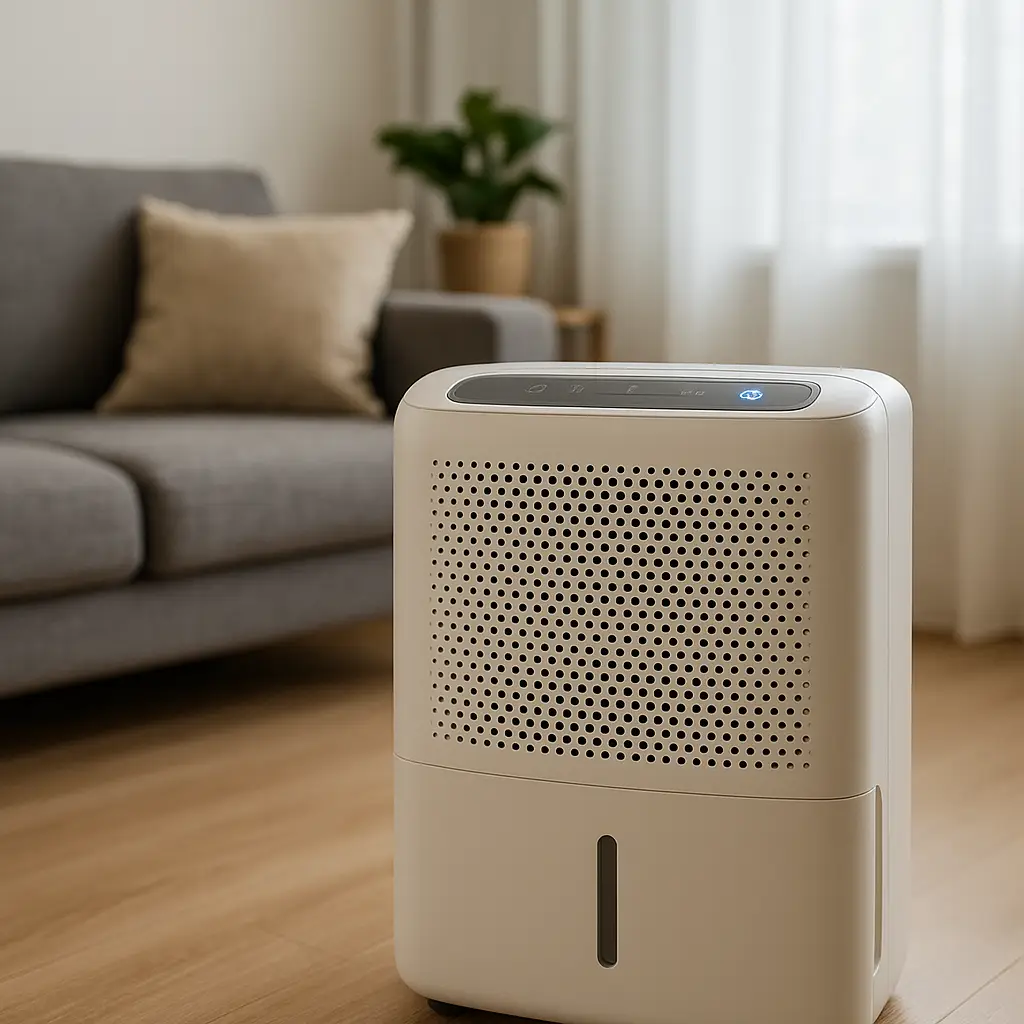
Whole-home dehumidifiers integrate directly with your ductwork, automatically pulling excess moisture before it ever reaches your living space.
They work quietly, efficiently, and can be controlled from your thermostat or phone.
If humidity is a year-round battle in Philadelphia, PA, this is often the simplest long-term fix.
Comfort Isn’t a Luxury — It’s a System
We often tell clients: comfort isn’t about cold air, it’s about consistent air.
The right balance of temperature, airflow, and humidity makes your home feel calm, fresh, and livable.
It’s not complicated — it’s maintenance done right.
That’s the philosophy behind every how to reduce humidity in house at Air Pro HVAC:
Don’t fight the air.
Fine-tune it.
The Bottom Line
Humidity might be invisible, but its effects aren’t.
It’s the reason your home feels sticky, your AC runs endlessly, and your bills climb quietly all summer.
The fix isn’t new equipment — it’s expert maintenance.
Call Air Pro HVAC today at (215) 240-8466 to schedule your how to reduce humidity in house and restore balance to your home’s air.
Because real comfort isn’t about more cooling — it’s about better air.